








results found

















The Ultimate Fuller Bust Bra Guide: How to Find Support, Comfort and the Right Fit
IN THIS ARTICLE
SEE MORE
- What Is a Fuller Bust?
- Fuller Bust vs Full Coverage vs Plus Size
- Why Are Fuller Bust Bras Different?
- What Makes a Fuller Bust Bra More Supportive?
- Common Problems Fuller Bust Women Face
- Who Needs a Fuller Bust Bra?
- Types of Fuller Bust Bras
- How to Find the Right Fuller Bust Bra Size
- How Should a Fuller Bust Bra Fit?
- Your fuller bust bra fit checklist
- Common Fuller Bust Fit Problems — And How to Fix Them
- Key Features to Look For in a Fuller Bust Bra
- The Best Fuller Bust Bra for Different Outfits
- Are Wireless Bras Supportive Enough for a Fuller Bust?
- How to Care for Your Fuller Bust Bras
- Fuller Bust Bra FAQs
- The Bottom Line: Find the Bra That Works for You
SEE MORE
If you have a fuller bust, finding a bra that actually feels good all day can be surprisingly difficult. Straps that dig in, bands that ride up, cups that spill over and wires that seem determined to poke you when you least expect it.
We have some good news for you. Now you don’t have to compromise between support and comfort, but you can have them both.
This fuller bust bra guide explains what makes a fuller bust different, how to recognise a good fit, which bra styles work for different occasions and activities, and what features to look for when you’re shopping for a new one. Whether you’ve worn an underwire your whole life or you’re wondering if a wireless bra can really support you, you’ll find the answers here.
What Is a Fuller Bust?
A fuller bust generally refers to having a larger bust in proportion to your frame or band size. In bra sizing, it is often associated with larger cup sizes, although there isn’t one universal cup size that officially defines a “fuller bust.”
It’s also important to understand that fuller bust and fuller figure aren’t the same thing. But you can be both.
You can have a fuller bust on a relatively small frame, such as a 30H, without being plus size. Equally, someone can wear a larger clothing size without having a particularly large bust such as a 42C. The cup capacity of each will be similar but the placement of the support will be very different.
This distinction matters because bra support is about more than your clothing size. A fuller bust may need additional support and carefully engineered construction even when the rest of your body is relatively small.
Fuller Bust vs Full Coverage vs Plus Size
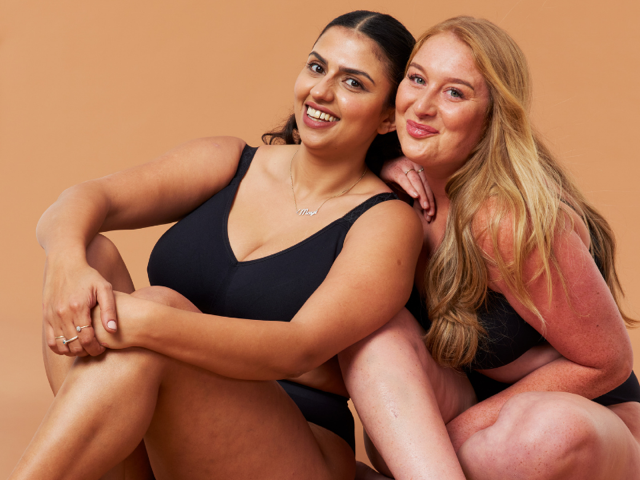
These terms are sometimes used interchangeably, but they describe different things:
- Fuller bust: Describes the size of your breasts in relation to your frame.
- Full coverage: Describes how much of the bra cup covers the breast.
- Plus size: Generally refers to clothing size, not breast size.
So, a fuller bust bra doesn’t necessarily mean a full-coverage bra. You can have a fuller bust and still choose a plunge, balconette, bralette or wireless style.
The most important thing is finding a bra designed to provide enough support for your particular bust and body size.
Learn more: The Difference Between Fuller Bust and Fuller Figure
Why Are Fuller Bust Bras Different?
A fuller bust bra is designed with the additional weight and volume of a larger bust in mind. The goal isn’t simply to make a bra bigger; it’s to distribute support more effectively, where it’s needed most.
Traditional bras can rely heavily on the underwire, cups and shoulder straps to create support. Fuller bust designs often use additional structure, stronger fabrics, wider and stronger components such as hooks and eyes and elastics and more carefully engineered panels to help distribute the load.
What Makes a Fuller Bust Bra More Supportive?
Look for features such as:
- A firm, supportive underband
- Structured cups or internal support panels
- Strong, adjustable straps
- Multiple hook and eye rows
- Side support to help the bust face forward
- Reinforced centre front and frame
- Superior quality fabrics that provide support without feeling rigid
- Construction that separates and lifts rather than simply compressing
The exact combination will depend on the style.
For example, a traditional wired bra may use the wire as part of its structural framework. A well-designed wire-free fuller bust bra can use internal slings, reinforced panels and a supportive band to create structure without an underwire.
This is an important distinction: wire-free doesn’t have to mean support-free.
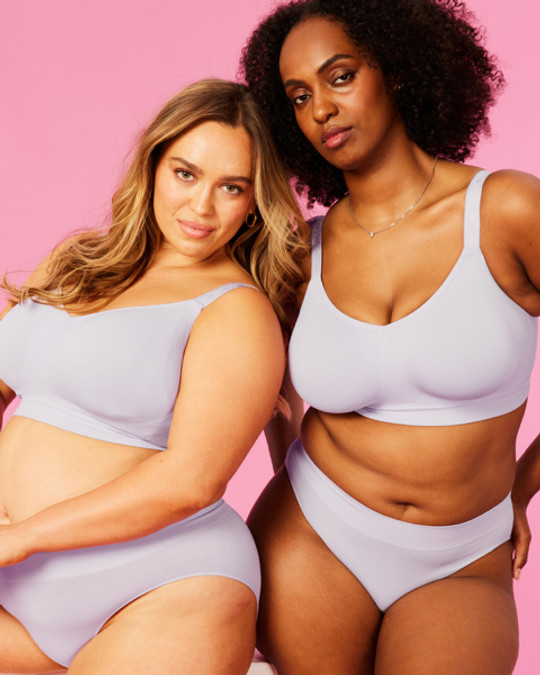
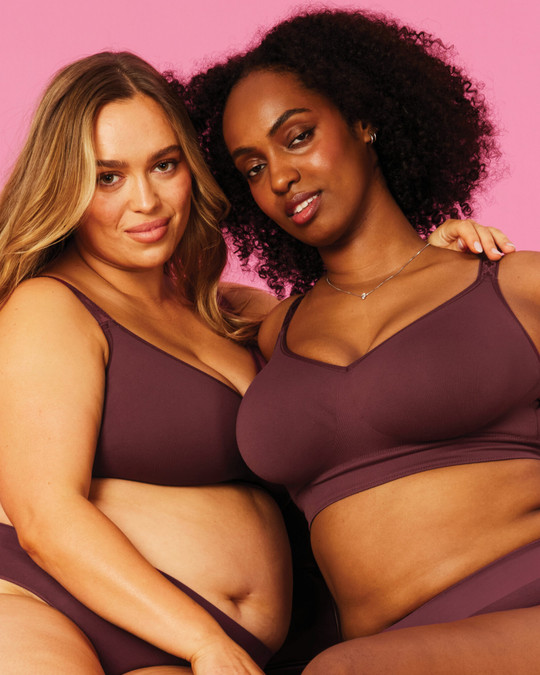
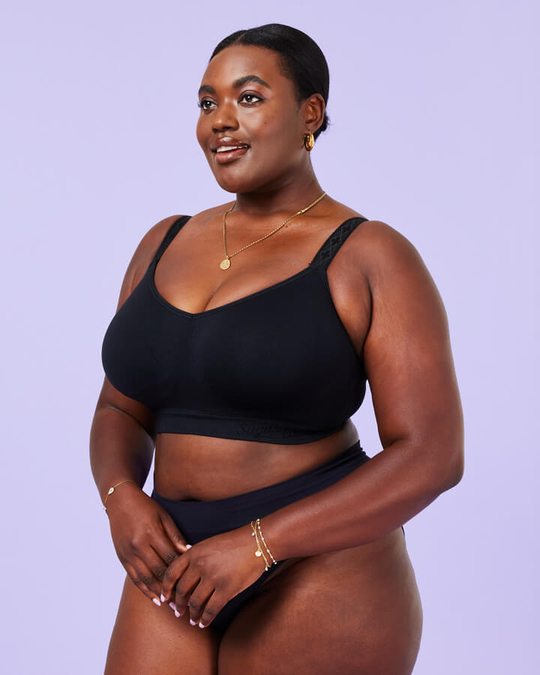
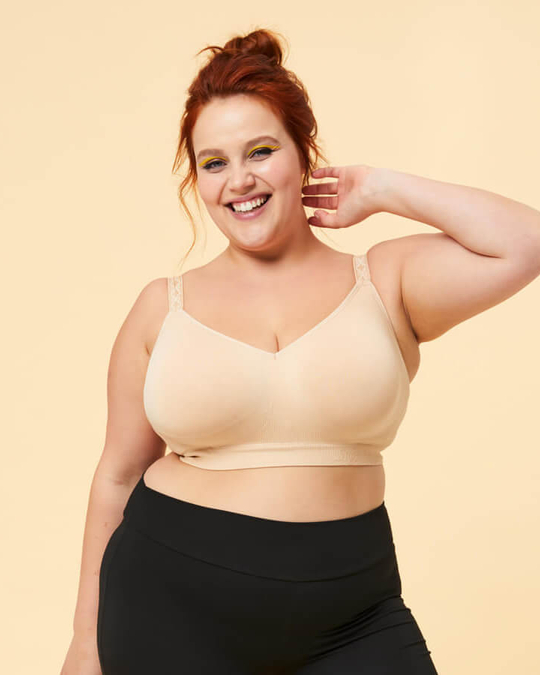
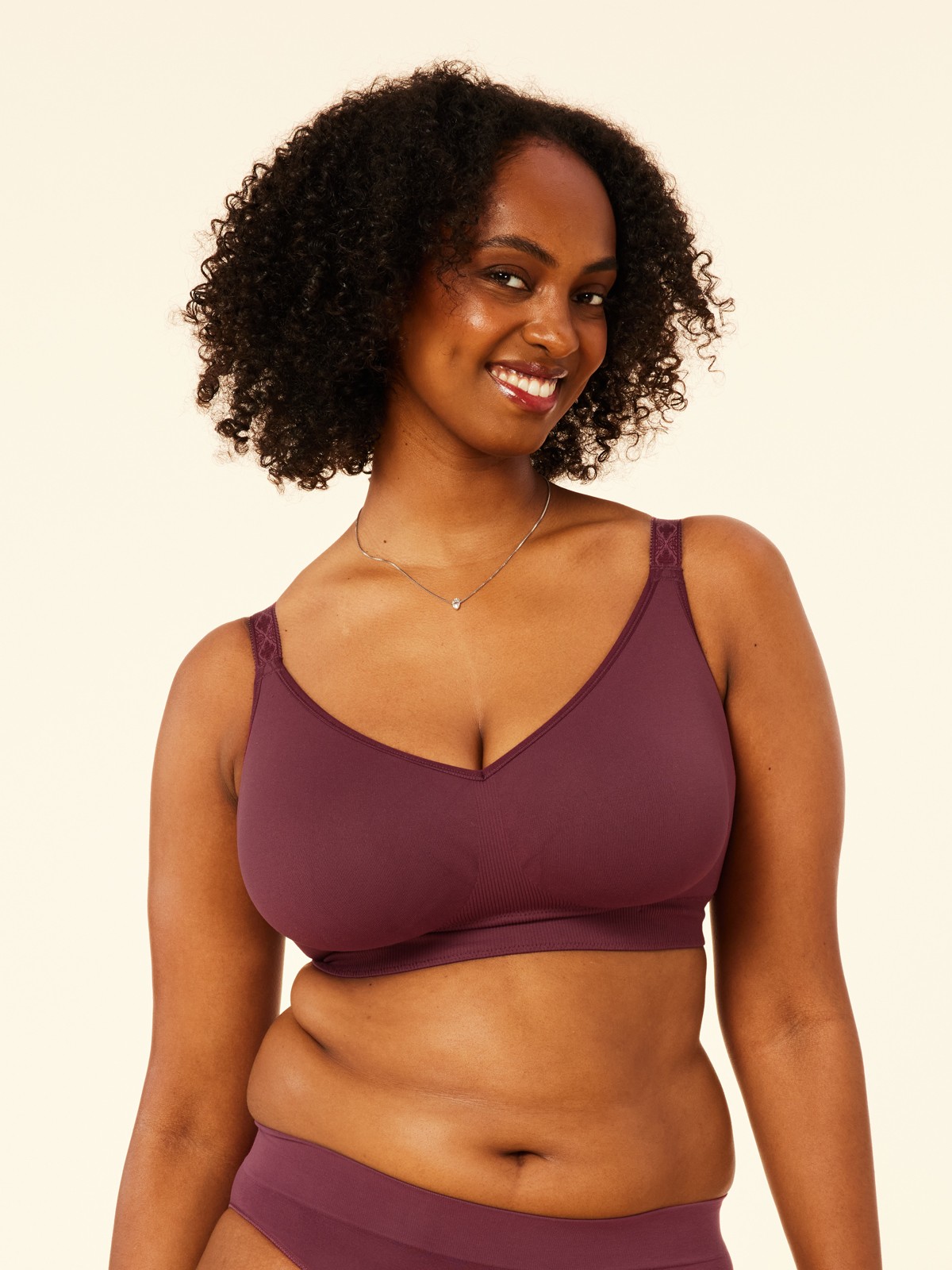
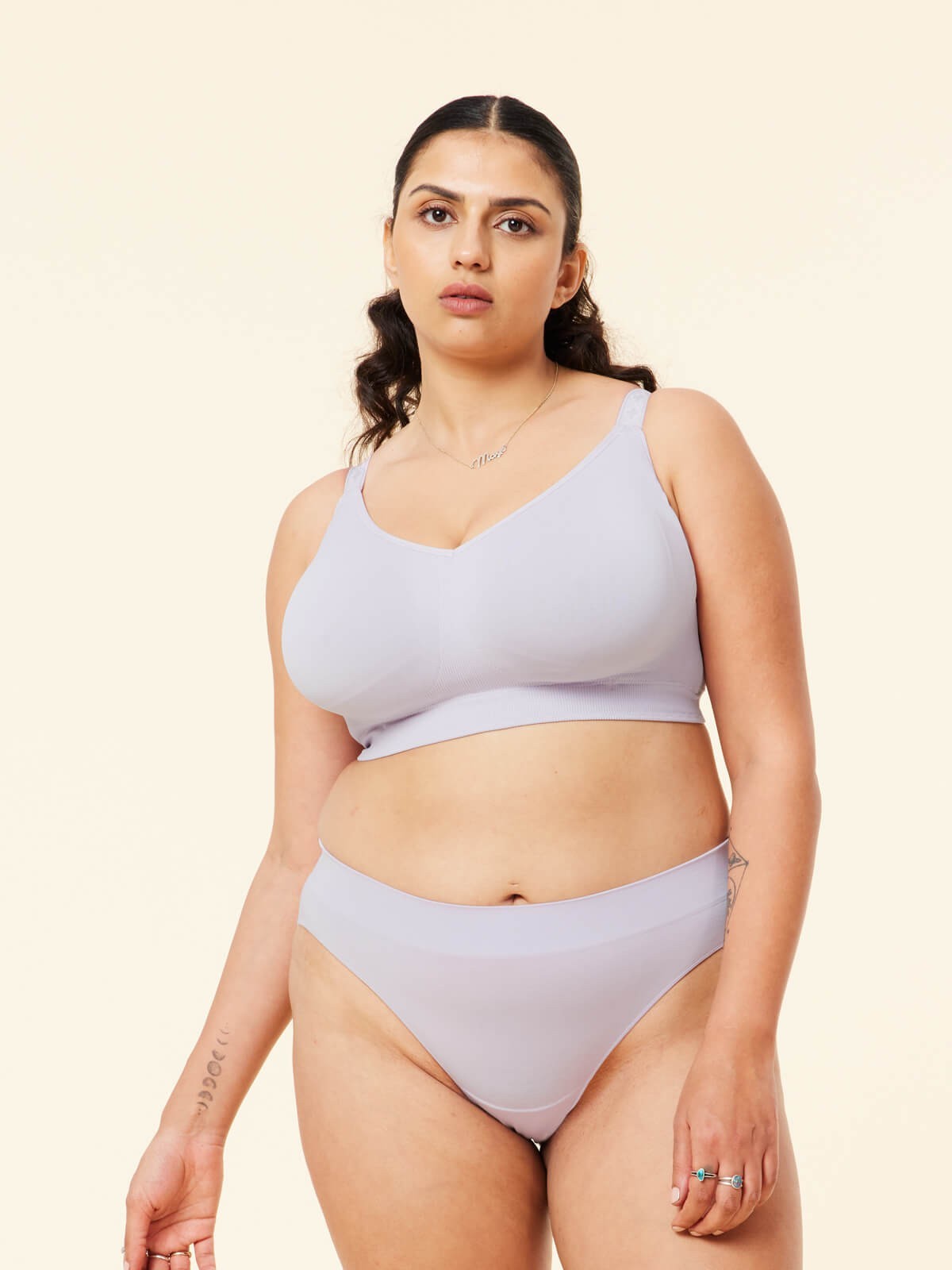
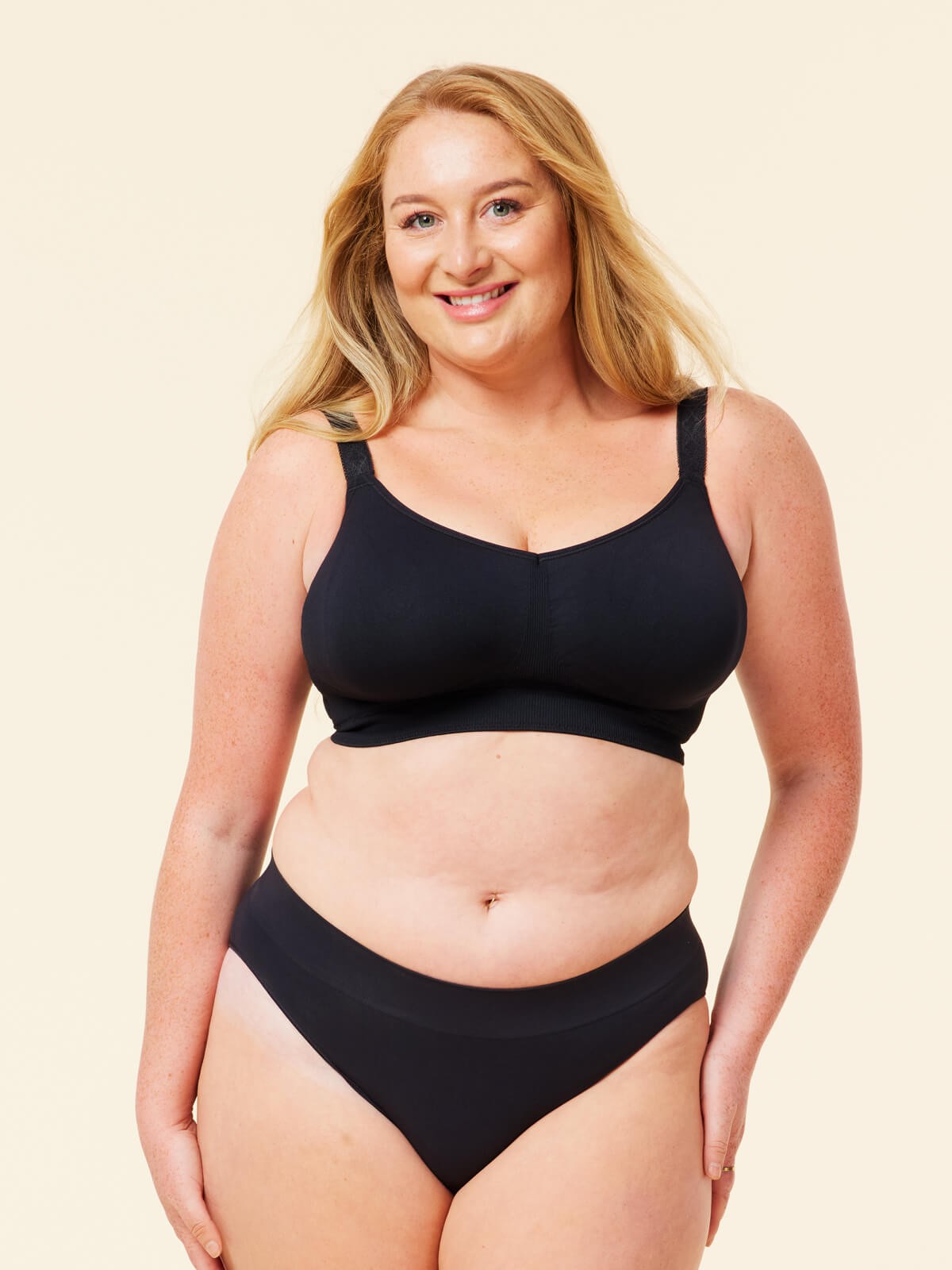
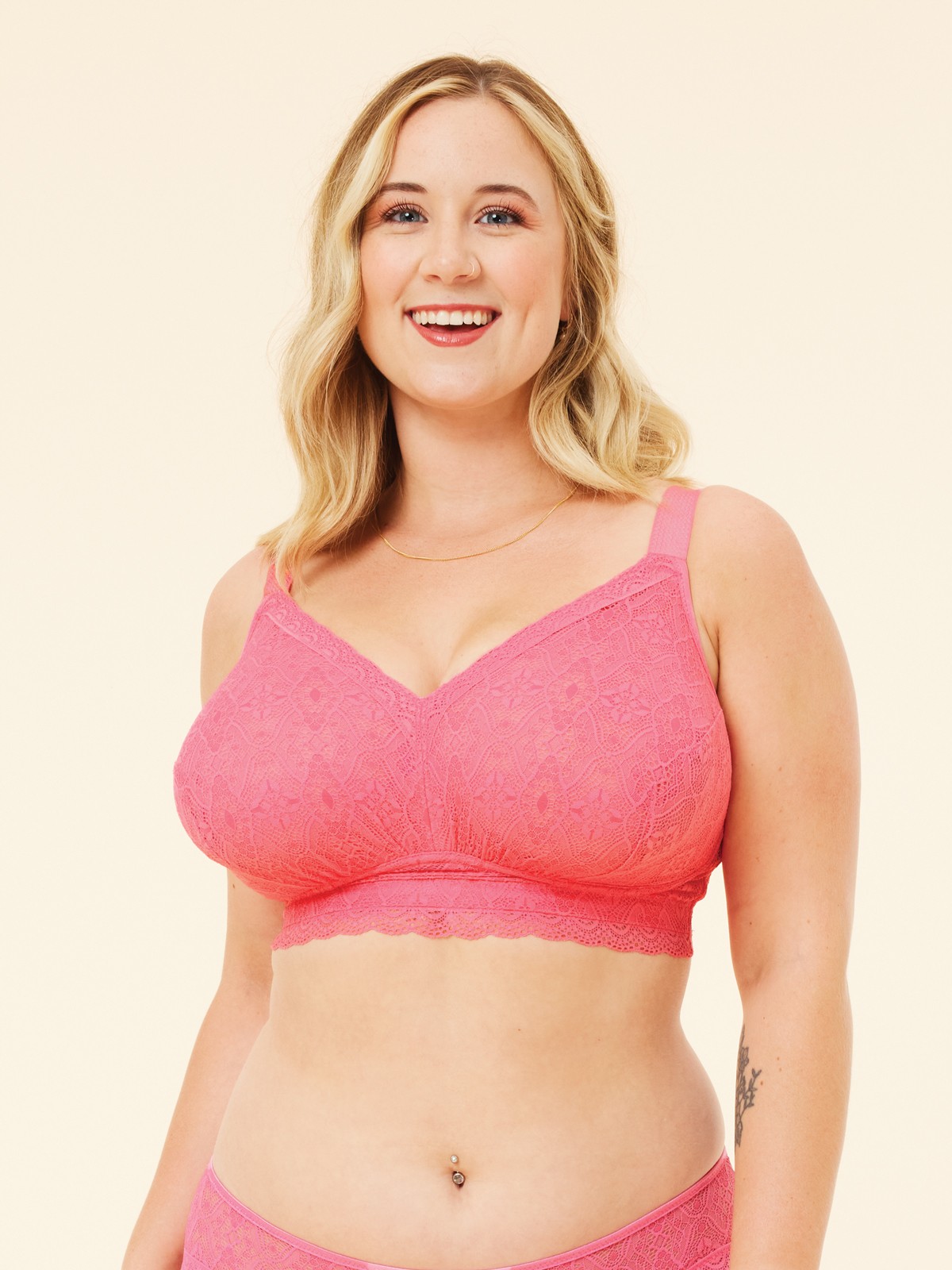
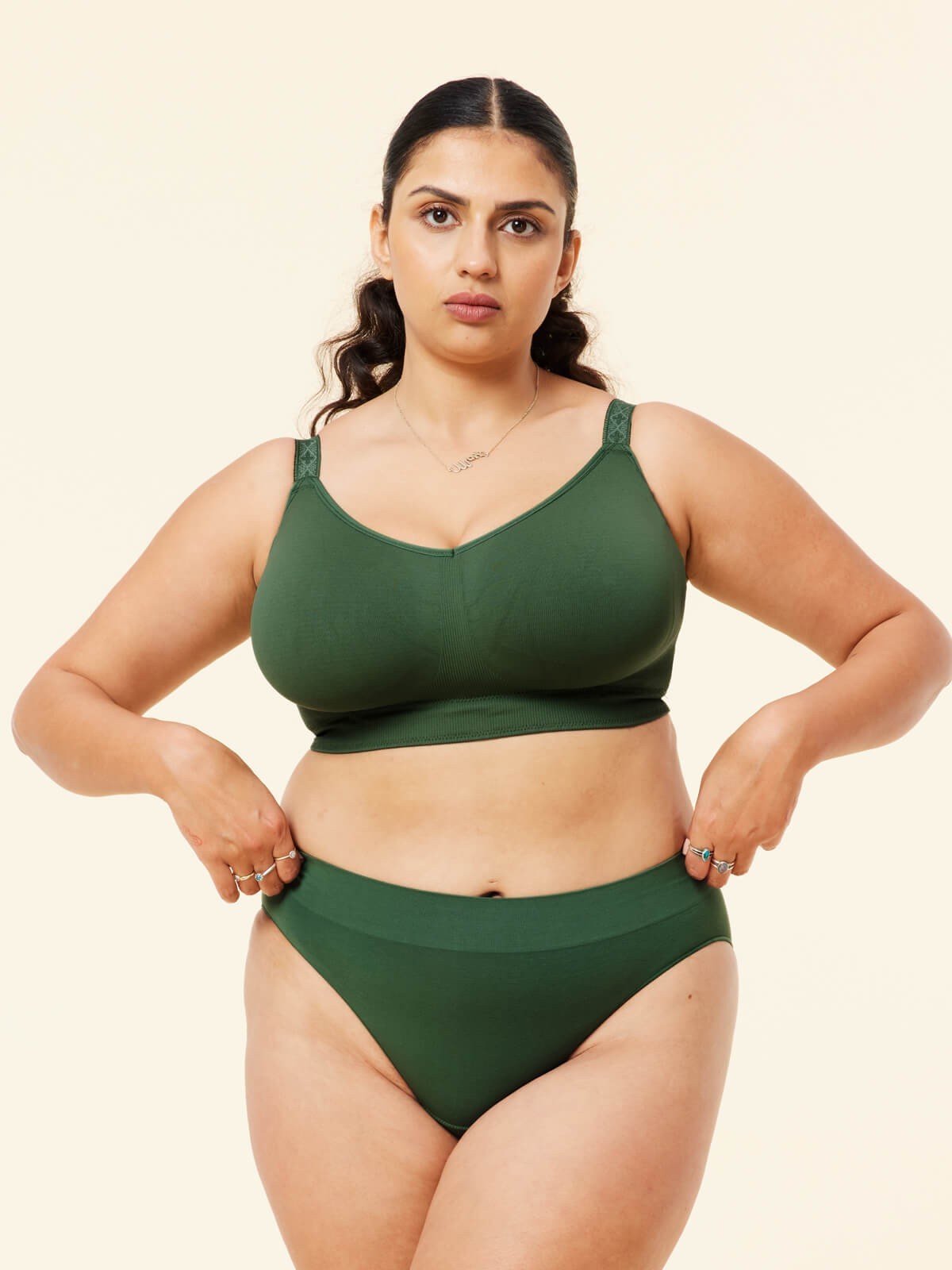
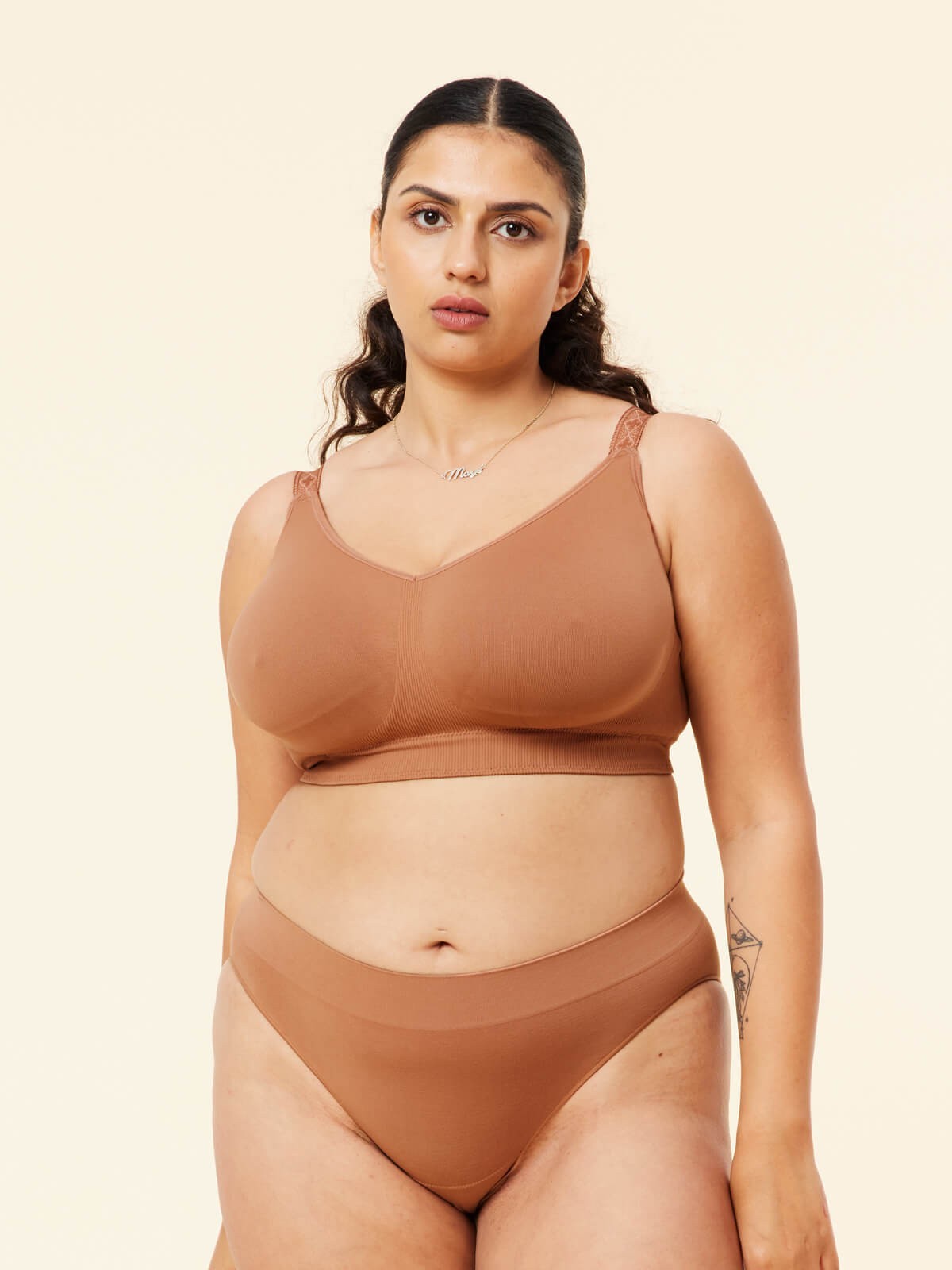
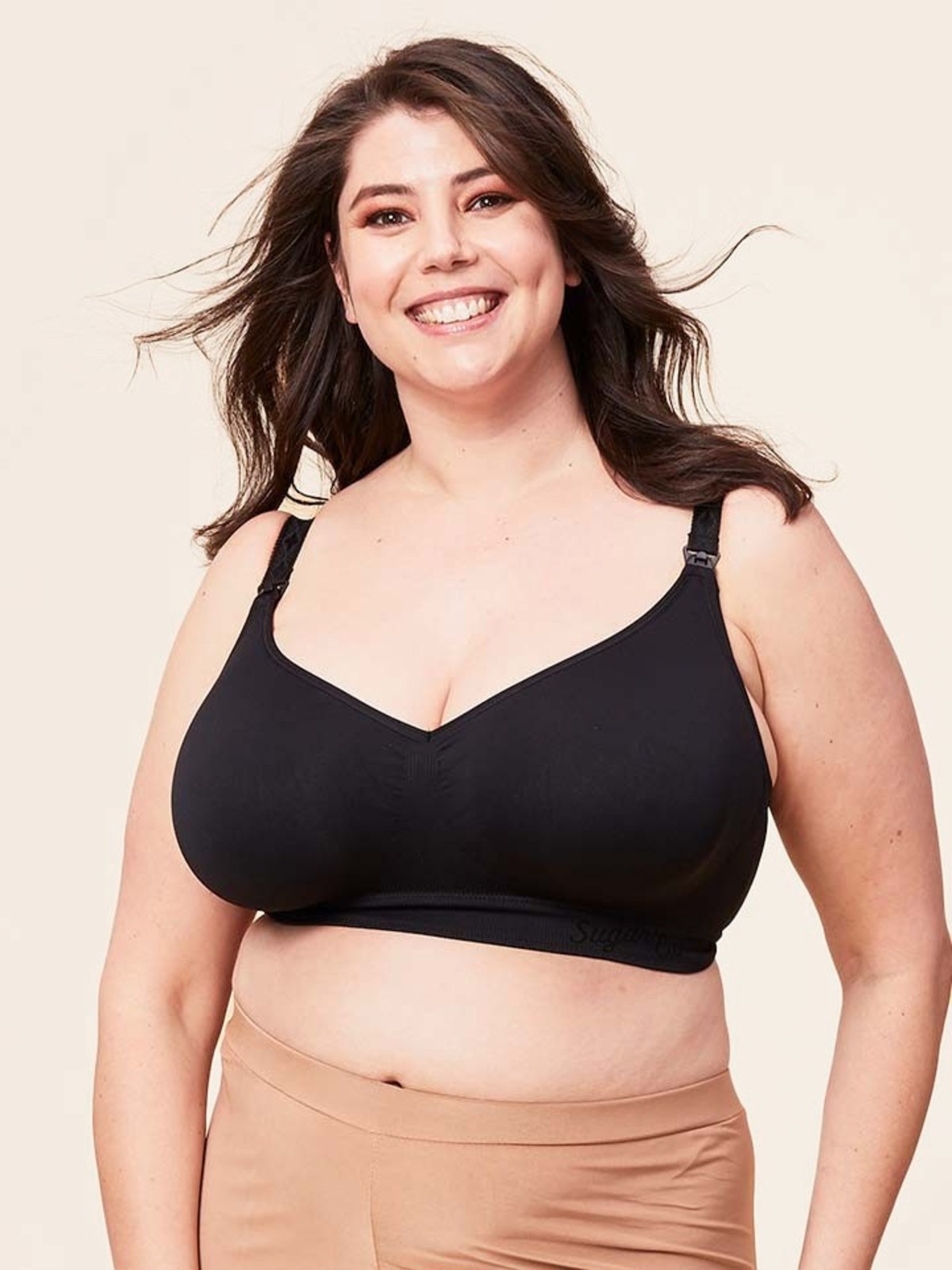
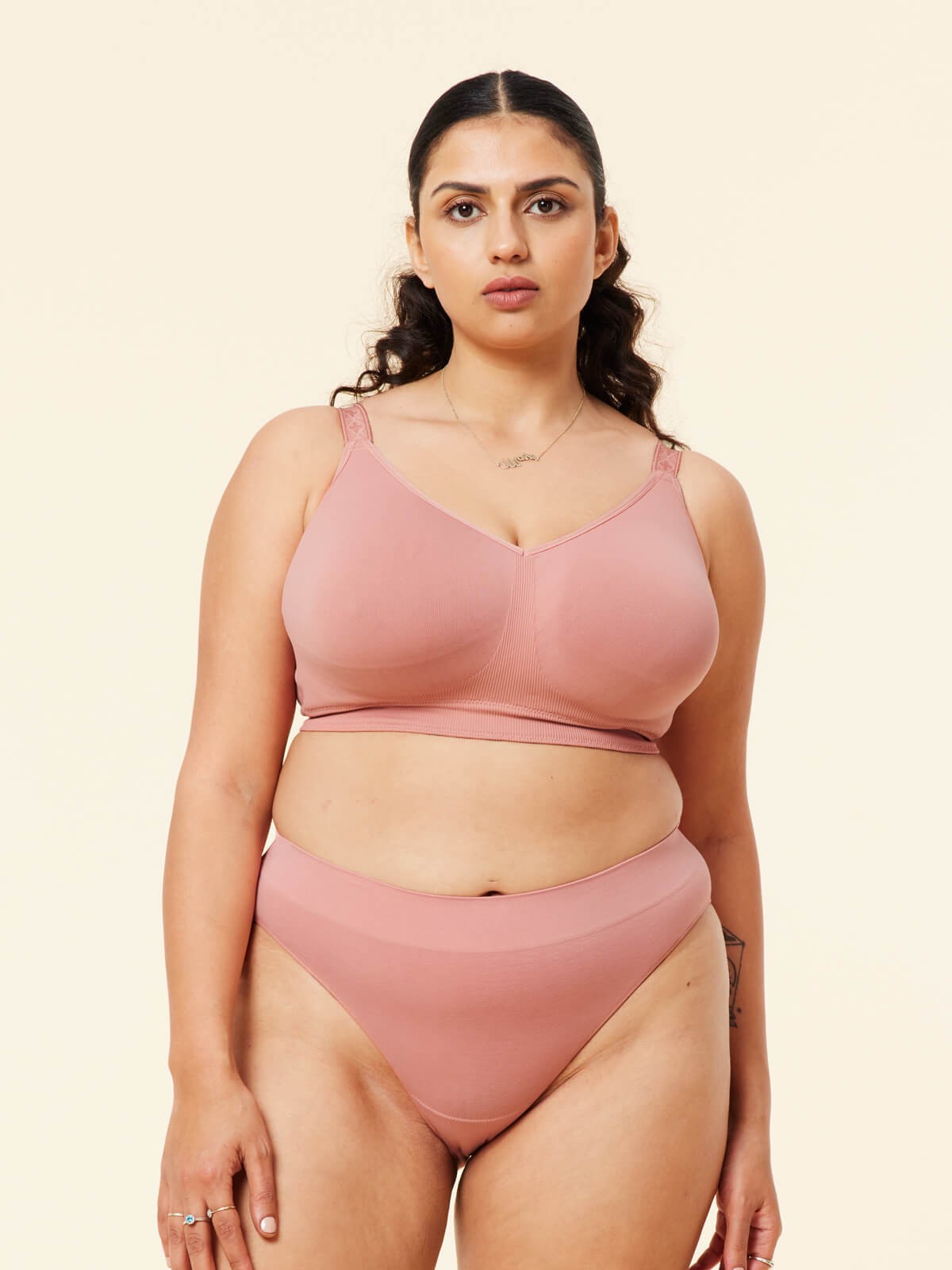
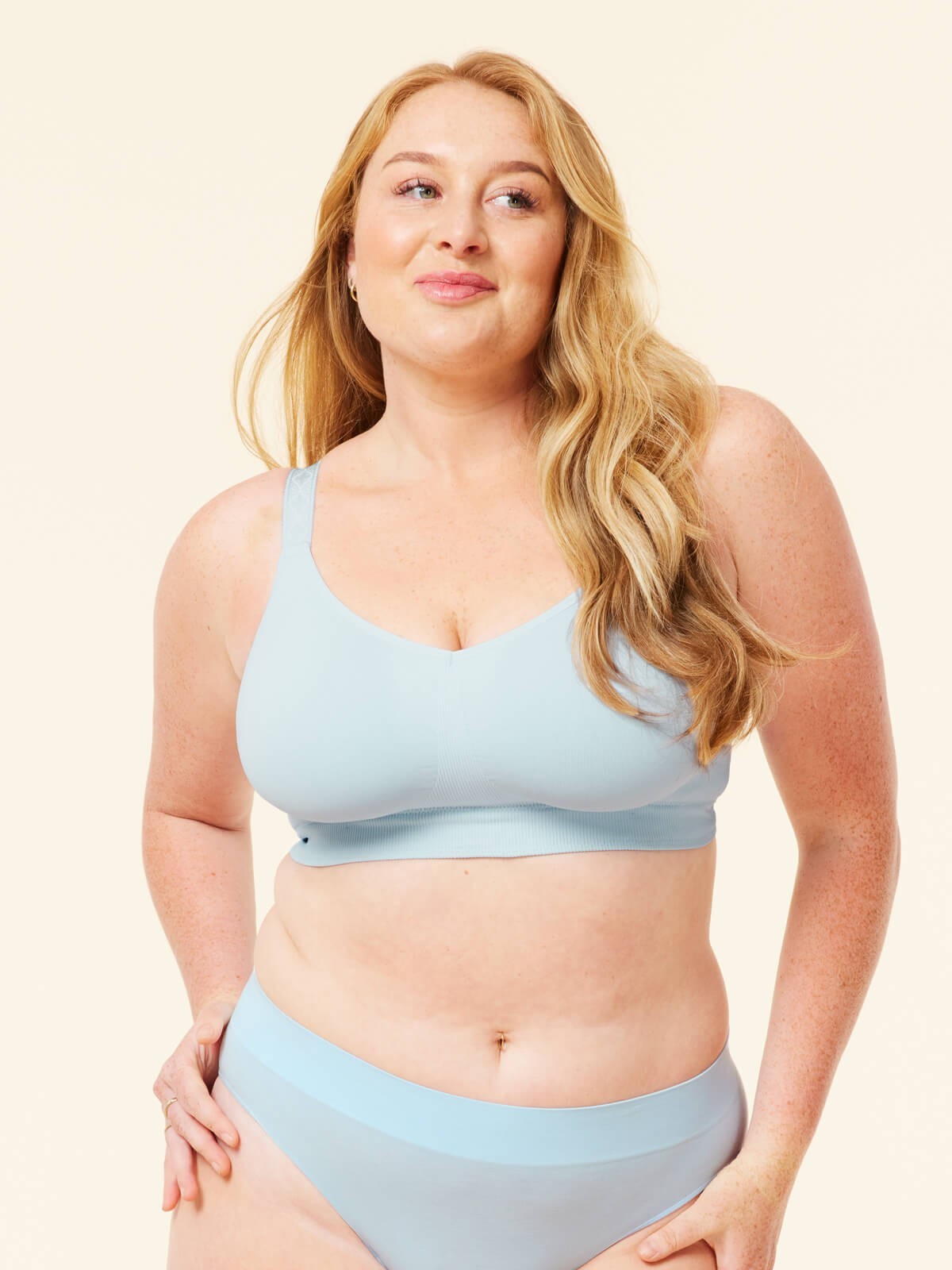
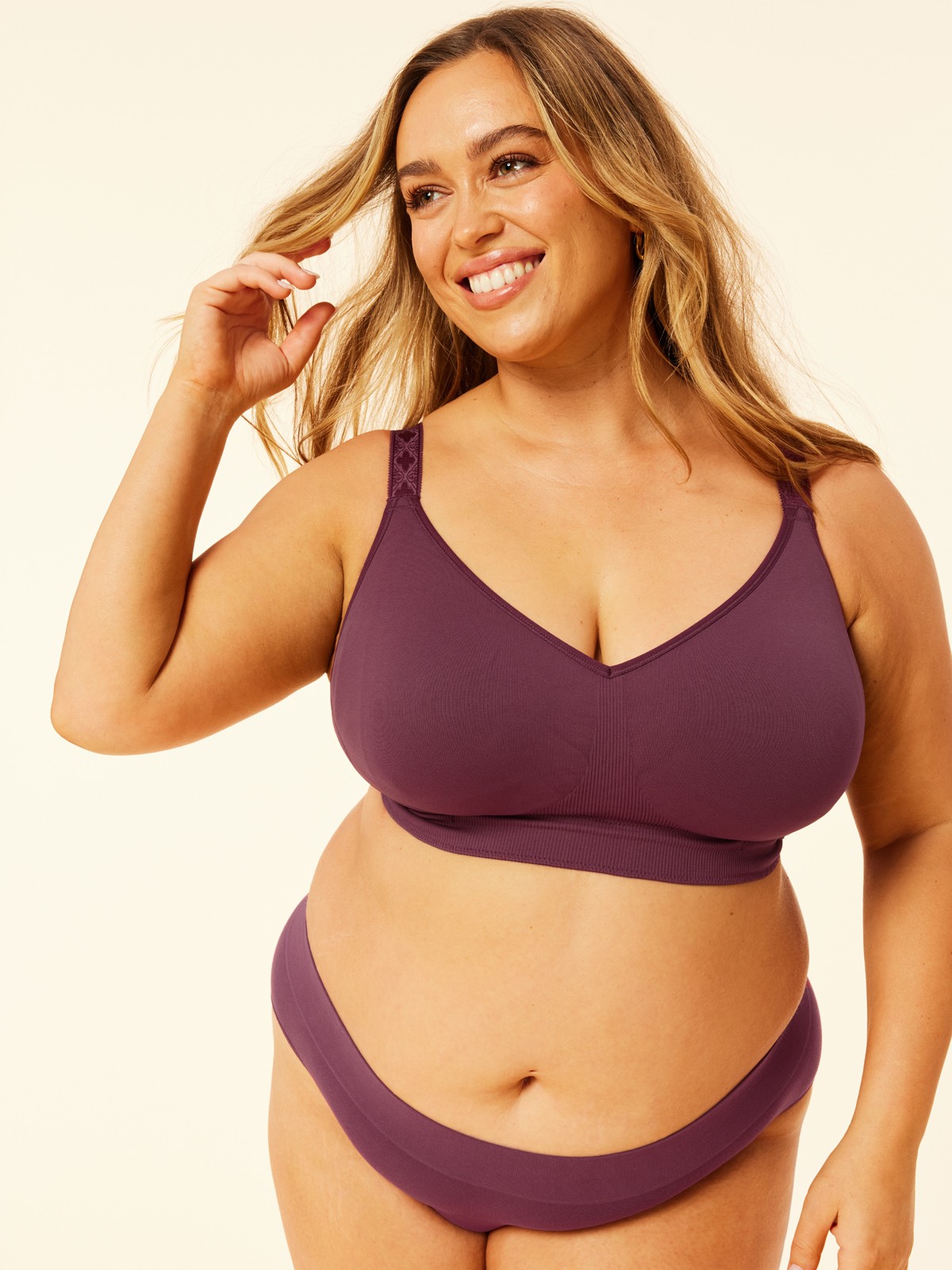
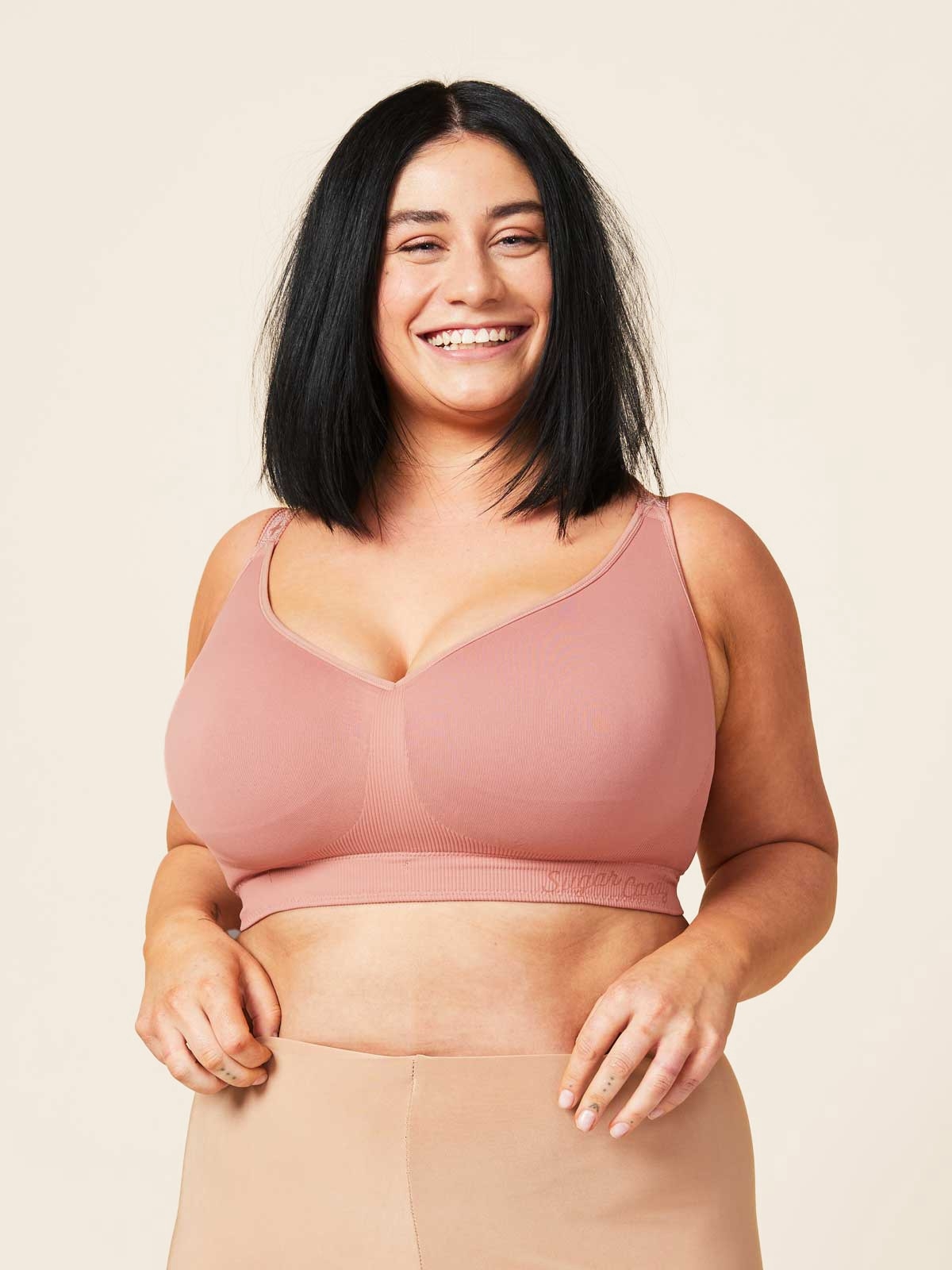
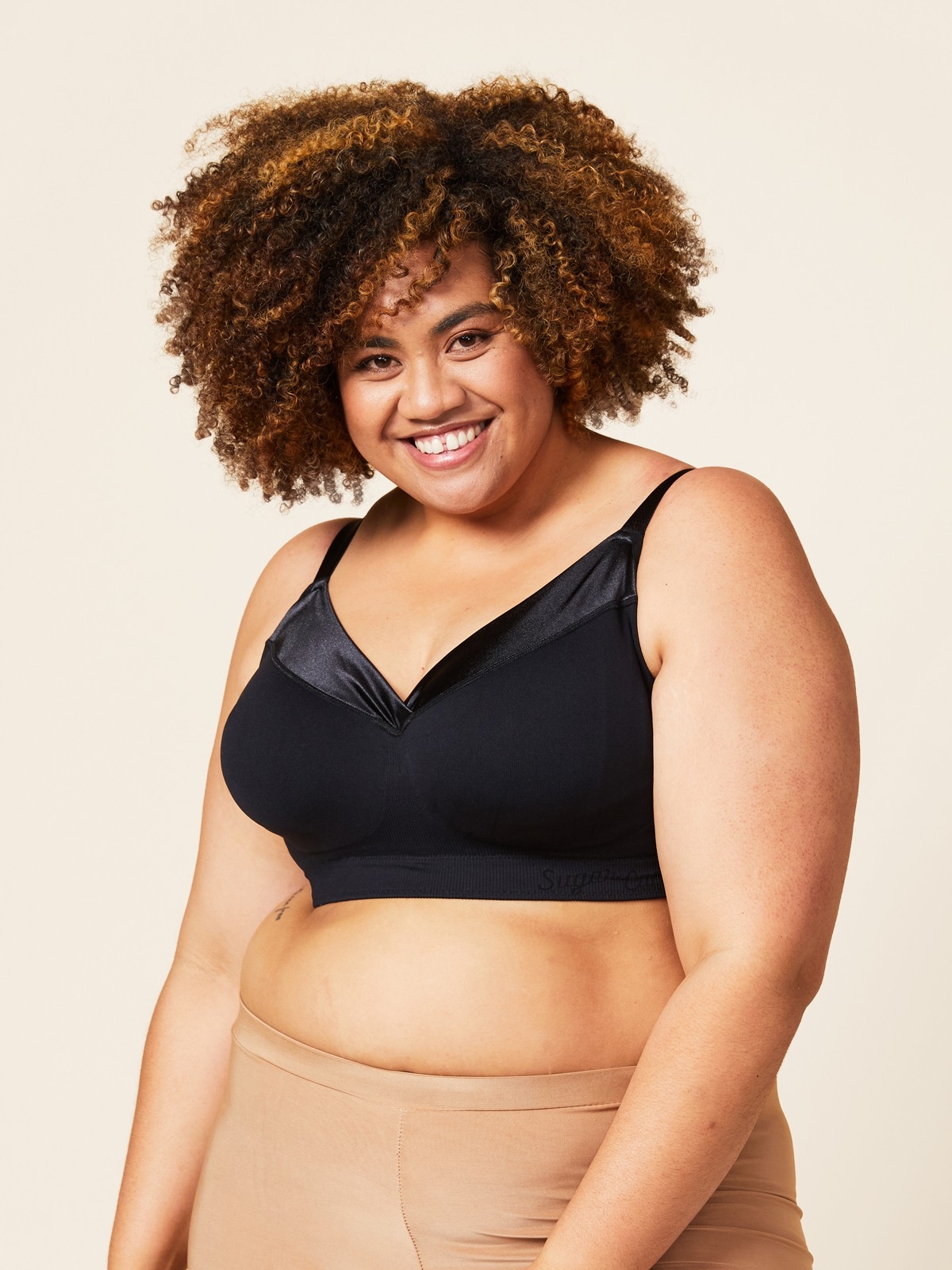
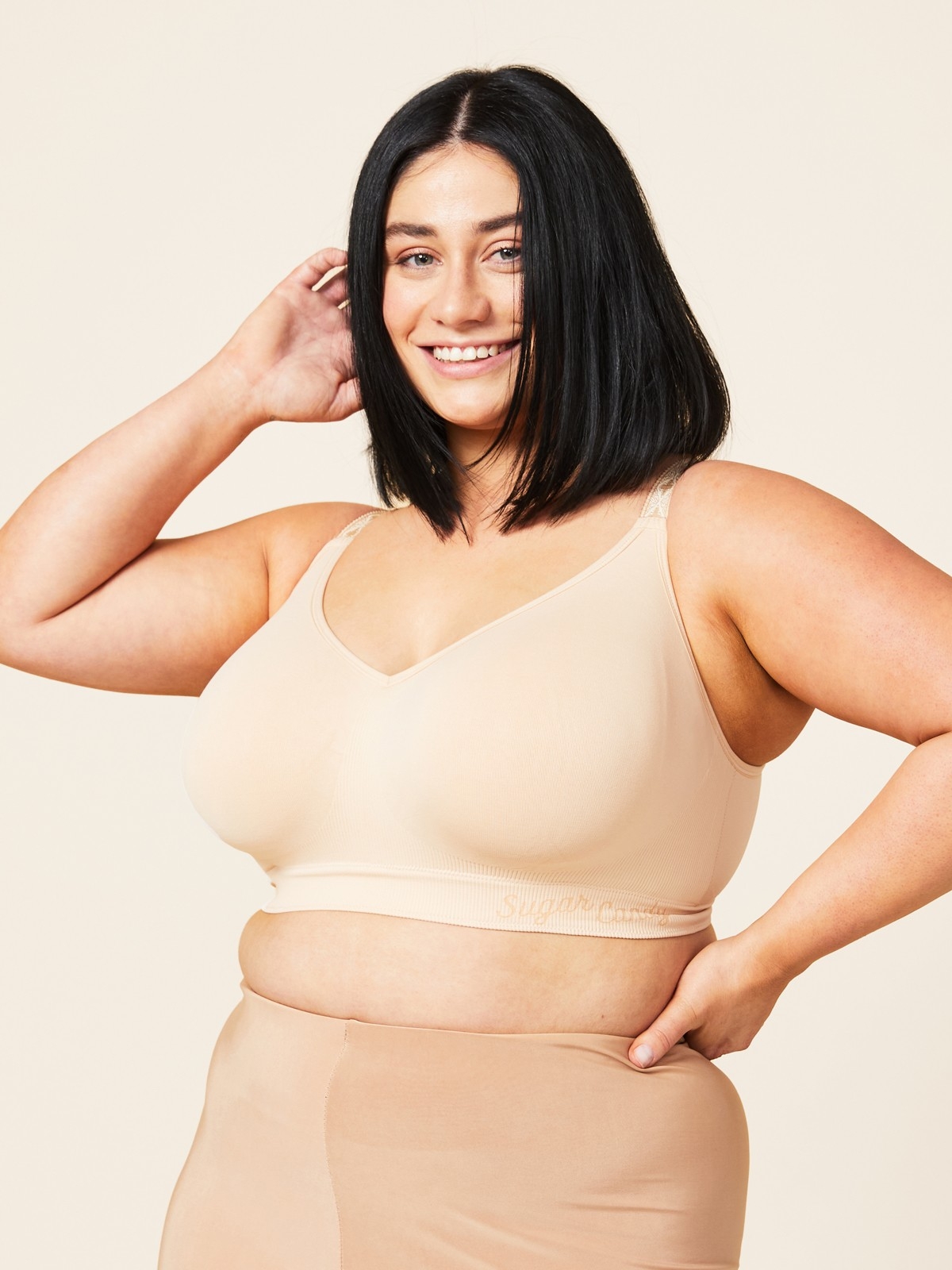
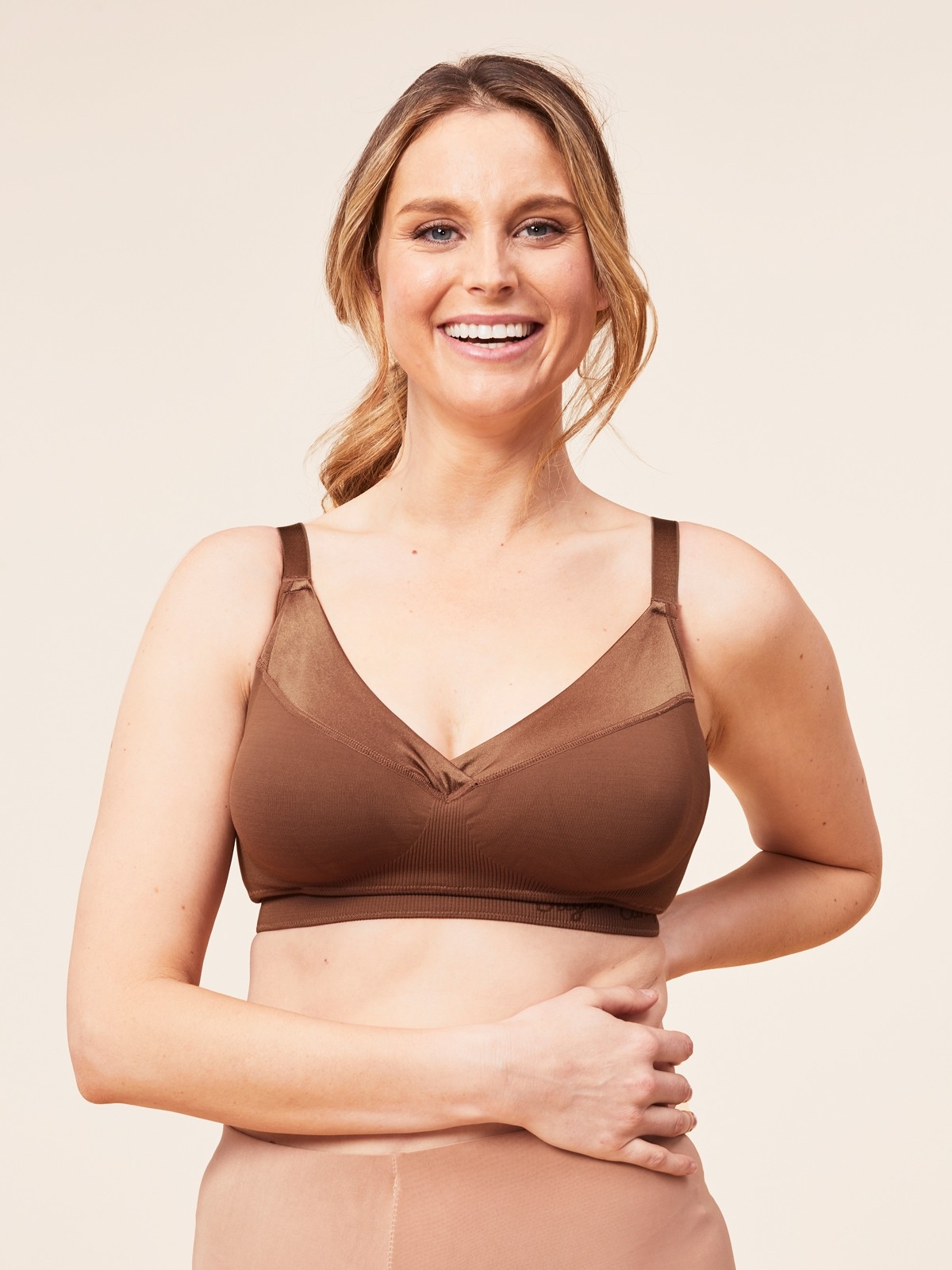
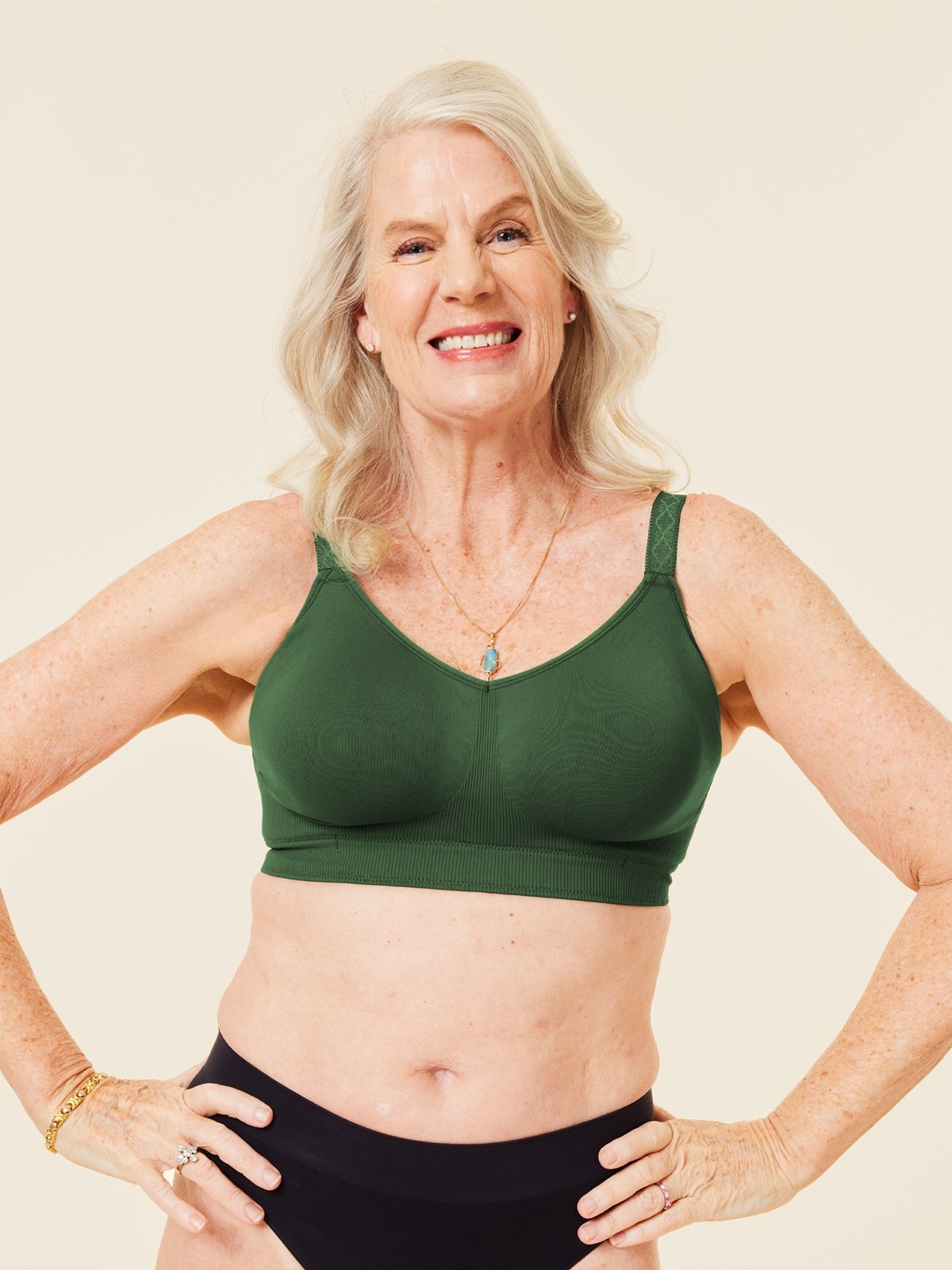
Sugar Candy’s UpLift Technology is specifically designed for fuller busts. Its patented U-Slings use reinforced support panels to lift and separate the bust, while the wider structure helps distribute support through the bra rather than relying on an underwire alone.
Common Problems Fuller Bust Women Face
If you’ve ever felt like your bra was fighting against you rather than supporting you, you’re not alone.
Some of the most common fuller bust bra problems include:
- Shoulder straps digging in
If your straps are doing all the heavy lifting, they can become uncomfortable quickly. A supportive bra should distribute support across the band, cups and straps rather than making your shoulders do all the work.
- The band rides up
A band that moves upwards at the back can be a sign that it isn’t providing enough support as it may be too big for you in the band sizing. The band should sit parallel and level around your body and feel secure without restricting your breathing.
- Cup spillage
Breast tissue spilling over the top, sides or centre of the cup is usually a sign that the cup isn’t providing enough room or isn’t the right shape for you. Going up a cup size may help.
- The dreaded “double-boob”
When the top of the cup cuts into breast tissue and creates a noticeable line, the cup may be too small or the style may not suit your breast shape. This lovely symptom could also be a sign that your straps are not adjusted enough and the top cup is not as high on your decolletage as intended for the desired fit.
- Underwire digging in
An underwire shouldn’t sit directly on breast tissue. If it digs into the side, centre or underneath your breast, the size may be too small, or shape may not be right for you. And if you simply don’t enjoy wearing underwire, you don’t have to.
- Lack of separation
Some soft or lightly structured bras can compress the breasts together rather than lifting and separating them. If you’re in a wired bra and the wires are pulling away from your body, it’s time to go up a cup size or 2. If you prefer a more defined shape, look for a bra with an internal support system designed to create separation.
- The bra feels supportive but uncomfortable
This is an important one. A bra shouldn’t have to hurt to be supportive. If you’re constantly adjusting it, removing it as soon as you get home or counting down until you can take it off, it’s worth reconsidering the fit or construction.
Who Needs a Fuller Bust Bra?
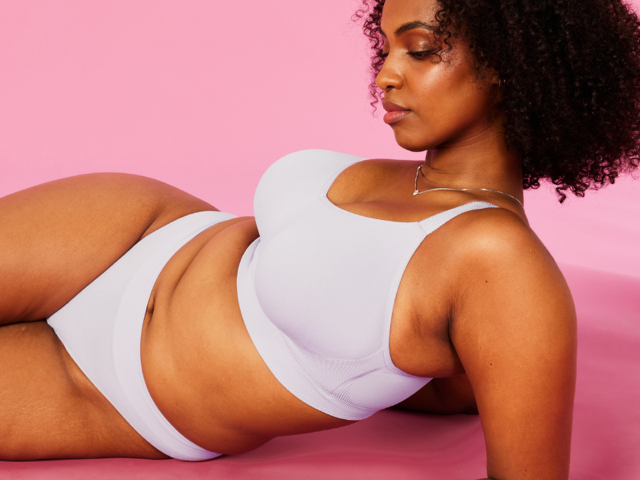
If you regularly find that standard bras don’t give you enough room, support or comfort, a fuller bust bra may be worth trying. Many women are wearing the incorrect size because they’re buying a larger band size than they need to obtain the cup capacity. A 32E has similar cup capacity to a 38C, but the latter will not offer the support needed around the band.
You might benefit from one if:
- Your cup size is consistently at the larger end of standard ranges.
- All your clothing is sized much smaller than your bra sizing.
- Your breasts spill out of your current cups.
- Your straps dig into your shoulders.
- Your bra band rides up during the day.
- You struggle to find wireless bras that feel supportive.
- You find yourself wearing bras that are technically the wrong size because they’re the closest option available.
- Your breasts feel compressed or uncomfortable.
- You want more support.
- You don’t need to meet a particular cup size to “qualify” for a fuller bust bra.
If your current bra isn’t giving you the support or comfort you need, that’s reason enough to try something different.
Types of Fuller Bust Bras
There isn’t one perfect bra for every fuller bust. The best style depends on your style, what you get up to during the day or night, and the kind of support you want.
If you’re not sure which style to start with, here’s a comparison of the 7 main fuller bust bra types:
| Bra Type | Best For | Key Feature to Look For |
|---|---|---|
| Everyday bra | All-day wear, comfort-first days | Balanced support across band, cups and straps; not reliant on straps alone |
| T-shirt bra | Under fitted tops, smooth silhouette | Moulded or spacer-fabric cup with enough capacity to prevent spilling or lines |
| Full-cup bra | Workwear, workouts, higher necklines | Maximum coverage with a secure, contained feel |
| Balconette bra | Scoop or square necklines, lifted shape | Higher centre front, wider-set straps for definition |
| Plunge bra | V-necks, lower-cut dresses | Strong internal support despite less coverage; avoid styles that skimp on structure |
| Wireless bra | Lounging, sensitive skin, all-day comfort | Internal slings/reinforced panels; not just stretchy fabric |
| Sports bra | Exercise (impact level varies by activity) | Matched to activity; high-impact needs more movement control than low-impact |
1. Everyday bras
An everyday bra should be comfortable enough to wear for hours while still providing reliable support and shape.
For many fuller bust women, this is the bra that gets the most use, so comfort and versatility matter just as much as appearance.
A good everyday fuller bust bra should feel secure without making you want to take it off halfway through the day.
2. T-shirt bras
T-shirt bras are designed to create a smooth appearance underneath fitted clothing and are usually moulded foam or spacer fabric to help with nipple concealing.
For a fuller bust, look for a smooth cup with enough structure and capacity to prevent spilling or unwanted lines.
3. Full-cup bras
Full-cup bras offer more coverage over the breast and can be a good choice if you prefer a secure, contained feel.
They’re particularly useful for everyday wear, workwear and workouts, and for those outfits with a higher neckline.
4. Balconette bras
Balconette styles typically feature an underwire, which helps to create their signature shape, with a higher centre front and wider-set straps. This creates a beautifully lifted silhouette that works particularly well for those scoop neck or square neck line tops and dresses.
The right balconette can give you both support and a more open neckline.
5. Plunge bras
Plunge bras have a lower centre front, making them useful under V-necks and lower-cut dresses.
If you have a fuller bust, look for plunge styles that still incorporate strong internal supports and fabrics, rather than simply skimping on the amount of coverage. Some fuller bust women have their fullness at the front and can find it difficult to contain their bust in plunge styles, no matter the support or style.
6. Wireless bras
Wireless bras have come a long way.
The key is to look beyond the word “wireless” and examine how the bra creates support. A simple stretchy bralette may cover your bust, but provide little lift or separation. A purpose-built fuller bust wireless bra may use internal structures, supportive fabrics, and a firm band to create a very different experience.
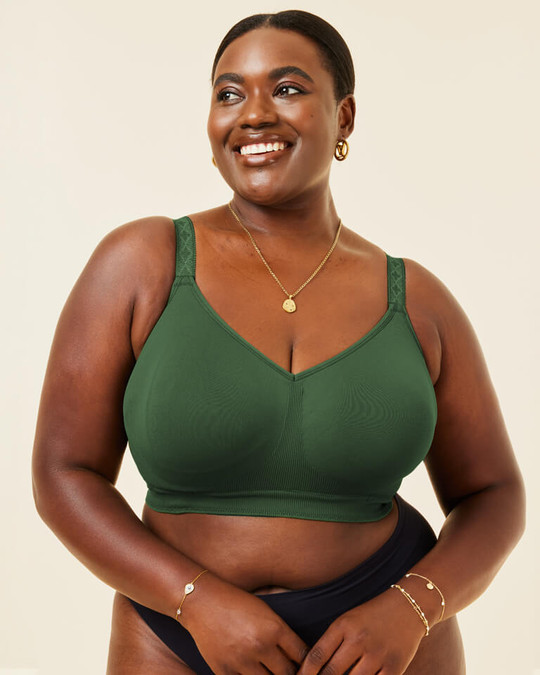
Sugar Candy was created around this idea: fuller busts deserve wire-free options that don’t ask you to sacrifice support. Its U-Sling technology uses reinforced platform and side slings to mimic some of the structural roles traditionally associated with an underwire.
7. Sports bras
For exercise, support needs to change depending on the activity. Not all sports bras are made for high impact and not all sports are high impact either.
Running, horse-riding and other high impact activities require considerably more movement control than walking, cycling (not mountain biking) or yoga. Look for a sports bra designed for your activity level rather than assuming one style will work for everything.
How to Find the Right Fuller Bust Bra Size
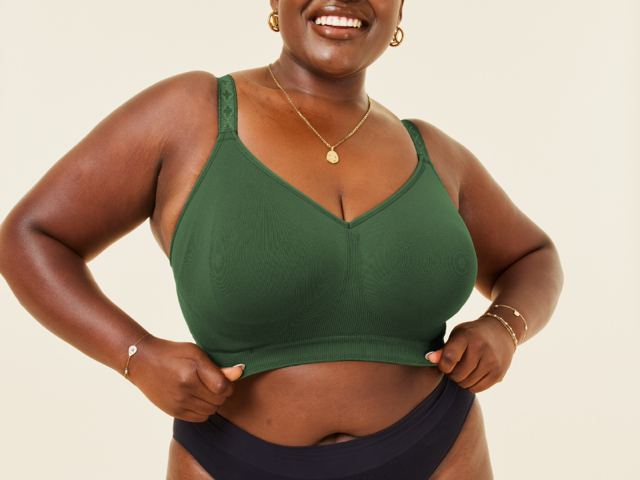
Getting the size right is one of the biggest differences you can make to your bra experience. But remember: your bra size is a starting point, not a guarantee of fit.
Different brands use different sizing systems, and different bra constructions suit different breast shapes.
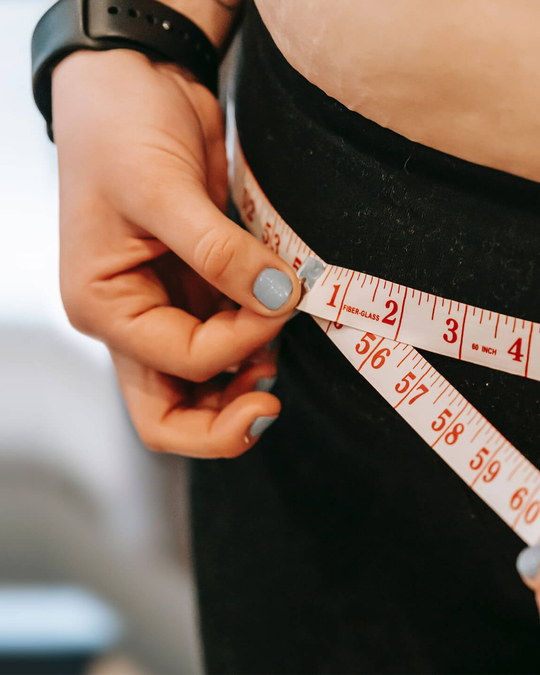
Step 1: Measure your underbust
Measure snugly around your ribcage, directly underneath your breasts, parallel to the floor. Breathe out and ensure the tape measure is firm, not digging in.
Step 2: Measure your bust
While wearing a regular bra, measure around the fullest part of your bust (in line with nipples) while keeping the tape level. The tape should be higher on your back than when taking your underbust measurement.
Don’t pull the tape tightly across your breasts or dip it between them.
Step 3: Use the brand’s size guide
Use your measurements with the specific brand’s size chart.
This is especially important when buying a multi-size bra because the sizing system may work differently from traditional band and cup sizing.
Step 4: Check the actual fit
Once the bra is on, check: 1. Band 2. Cups. 3. Straps.
- Does the band sit level and firm around your diaphragm?
- Are your breasts fully contained whether there is a wire or not?
- Is there any spillage?
- Does the centre of the bra sit against your body?
- Are the straps secure without digging in or falling off your shoulders?
- Can you breathe and move comfortably?
If the answer to several of these is no, don’t assume your body is the problem. The bra may simply not be the right size, shape or construction. Sometimes, there’s a particular method to putting on the bra to ensure it’s doing the job.
Don’t forget the scoop and swoop
When putting on a fuller bust bra, gently lean forward and use your hand to bring breast tissue from the sides and underneath into the cups, ensuring your nipples are facing forward and in the deepest part of the cup whether this be moulded or seamed.
This helps make sure you’re properly positioned inside the bra and can also reveal whether the cup has enough room.
How Should a Fuller Bust Bra Fit?
A well-fitting fuller bust bra should feel secure, supportive and comfortable.
Band:
The band should provide a strong foundation around your ribcage. It shouldn’t ride up your back, but it also shouldn’t feel so tight that you can’t breathe.
Cups:
The cups should contain your breast tissue without cutting in or leaving wrinkles in the fabric or gapes in the underarm or top cup edges.
Straps:
The straps should help fine-tune the fit, rather than being responsible for holding everything up. Make sure the straps are adjusted correctly before determining if the cups are correct or not. An incorrect strap length can make a cup fitting appear too big or too small if not in the right placement.
Movement:
Try some usual movements such as lifting arms or walking on the spot to make sure the bra moves with you, rather than needing constant adjustment.
Your fuller bust bra fit checklist
Before deciding that a bra is right for you, ask:
- Band: Does it stay level and secure?
- Cups: Is all your breast tissue comfortably contained?
- Centre: Does the centre front sit comfortably?
- Straps: Are they supportive without digging?
- Movement: Does everything stay where it should when you move?
- Comfort: Would you happily wear it for several hours?
That final question is often overlooked.
A bra can look perfect in the mirror and still be the wrong bra if you can’t stand wearing it.
Common Fuller Bust Fit Problems — And How to Fix Them
1. “My breasts are spilling over the cups.”
The cup may be too small, or the shape may not suit your breast shape. The straps might need to be readjusted to be firmer/shorter to ensure the top cup edge is sitting higher.
Try a larger cup or a different cup construction or adjust your straps.
2. “The band keeps riding up.”
The band size may be too big for you or needs to be worn on a tighter hook and eye fastening.
Check that you’re wearing the correct band size and that the bra is fastened correctly.
3. “My straps keep falling down.”
Loose straps aren’t always the problem. The bra itself may not be fitting securely enough.
Adjust the straps so they’re supportive but not overly tight. If they still fall down, consider a different strap configuration or bra style such as racer back or crossover.
4. “The straps are digging into my shoulders.”
This can happen when too much of the support is being transferred through the straps.
A more supportive band and better-constructed bra can help distribute the load more effectively.
5. “My underwire hurts.”
The wire could be the wrong size or shape for you, or the bra may simply not be a good match for your body.
If you’ve never found an underwire comfortable, consider trying a properly engineered wire-free fuller bust bra.
6. “My wireless bra gives me no shape.”
Not all wireless bras are designed in the same way.
Look for internal support structures, a supportive band and cups that offer shaping rather than simply stretching around the body.
7. “I feel like I’ve got one big boob.”
If separation is important to you, look for a bra with internal support designed to lift and separate.
This is one of the reasons Sugar Candy developed its U-Sling construction: the central platform lifts and separates while the side slings help guide the bust forward.
Key Features to Look For in a Fuller Bust Bra
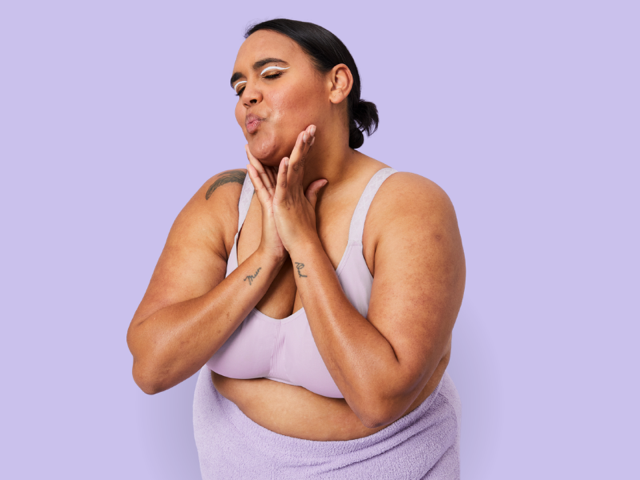
When comparing bras, don’t just look at the size label. Look at how the bra is constructed.
1. A supportive band
The band is an important part of the bra’s support system.
Look for a band that feels firm and secure around your ribcage and stays in place throughout the day. A band that has multiple hooks and eyes will not only fit a wider size range, but ensures a customised fit each day.
2. Strong but comfortable straps
Wide, adjustable straps allow you to tailor your bra to your body shape.
For fuller busts, straps with limited stretch or short-stretch, can help prevent them from stretching out and digging into your shoulders under the weight of the bust.
3. Internal support
This is particularly important when choosing a wireless bra.
Look for reinforced panels, slings or other internal construction that provides structure without simply compressing the bust.
4. Supportive cup construction
A single layer of very stretchy fabric may not provide enough support for everyone.
Depending on the design, double-layered moulded cups, reinforced panels to shape and lift, and structured internal workings can help create more lift, shape and stability.
5. Multiple hook-and-eye settings
Your body changes. Your bra should too.
Multiple rows of hooks allow you to adjust the band over time and find a comfortable fit, whatever time of the month.
Sugar Candy bra uses six rows of hooks and eyes, allowing the fit of the band to be adapted personally to you, as your body (or mood) changes.
6. Comfortable, quality fabrics
Support doesn’t need to feel stiff.
Look for superior quality fabrics and components that combine recovery and stretch with enough structure to keep you supported throughout the day.
The Best Fuller Bust Bra for Different Outfits
The “best” bra isn’t necessarily the same one for every outfit.
Under a T-shirt
This does not necessarily need to be a t-shirt bra. Look for a moulded cup (seamfree design over the bust, not to be confused with seamless). This can be with or without padding, whatever your style. Either will create a ‘seamless’ look for whatever outfit you’re teaming with your t-shirt.
Prioritise smooth cups and enough coverage to prevent spilling and the dreaded double boob.
For workwear
Depends what work you’re doing of course. If you’re working for long hours, it’s all about comfort and this becomes especially important when you’re sitting at a desk or moving through a long working day.
An everyday supportive bra with adjustable straps and a secure band is usually a reliable choice.
Under dresses and lower necklines
A plunge or balconette can work beautifully with lower necklines.
The key is making sure the bra maintains adequate support while offering the neckline you want.
Sugar Candy’s Posh Bra, for example, combines a plunging neckline with its wire-free UpLift construction, giving fuller bust wearers another option when a traditional high-coverage bra doesn’t suit the outfit.
For activewear
Match the bra to the activity.
Low-impact exercise may require less movement control than running or high-impact training. Choose a sports bra specifically designed for the level of movement you’ll be doing.
For lounging and everyday comfort
This is where a well-designed wireless bra can really shine.
Look for soft fabrics teamed with superior construction, but don’t assume that soft means unsupportive.
The best fuller bust lounge bras combine comfort with enough structure to keep you feeling secure, 24 hours a day.
Are Wireless Bras Supportive Enough for a Fuller Bust?
Yes, a well-designed wireless bra can be supportive enough for a large bust.
But “wireless” isn’t automatically the same as “supportive.”
A lightweight bralette designed for a smaller bust may not offer the structure needed for a fuller bust. On the other hand, a bra specifically engineered for fuller busts can use internal support systems to create lift, separation and stability without an underwire.
The important question isn’t:
“Does it have a wire?”
It’s:
“How does it create support?”
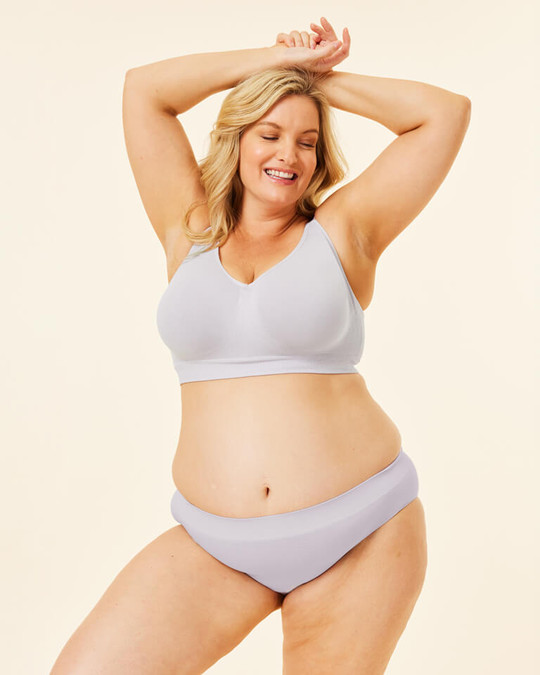
Sugar Candy’s approach is to build that support into the bra itself. Its U-Slings, supportive platform slings, side slings, reinforced frame, double-moulded cups, and a few other secrets all band together to provide lift and separation without relying on an underwire.
How to Care for Your Fuller Bust Bras
A good bra is an investment, so looking after it properly can help it maintain its shape and support.
1. Wash regularly, but don’t over-wash
How often you wash a bra depends on how often you wear it, how much you sweat and your personal preference.
If you’re rotating several bras rather than wearing the same one every day, each bra gets a chance to recover between wears.
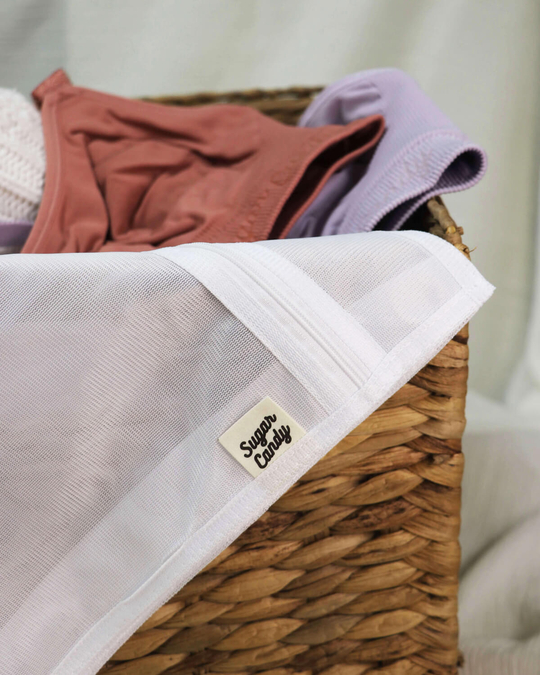
2. Use a delicates bag
For machine washing: do up the hooks and eyes and pop your bra in a delicates bag to not only help protect your bras fabric, straps and components, but also your other items in the load that could get tangled up in the bras straps or snagged on the hook and eye.
3. Choose cold or cool water
Heat can affect elastic fibres over time.
Sugar Candy recommends a cold machine wash in a delicate bag and hanging bras to dry in the shade.
4. Skip the tumble dryer
Air drying is generally kinder to the elastics and the elastane knitted into the fibres that are responsible for the stretch and recovery of your bra.
Direct sunlight can, over time, speed up the deterioration process of these fibres, so hang them in the shade if you can.
Tumble drying is an especially big no-no for wired bras. It’s not so much the heat and tumbling that can twist or break the wires, but the risk of shrinking the channel that encases them. The wire itself doesn’t shrink, so the poor wire has nowhere to go but out through one end. This is the leading cause of wires popping out of bras.
5. Store bras carefully
Don’t crush moulded cups or fold bras in ways that permanently distort their shape. If you can, stack them vertically, behind one another.
6. Know when it’s time for a new bra
If the band has become noticeably loose, the fabric has lost its recovery, the straps no longer stay adjusted or the bra no longer provides the same support, it may be time for a replacement.
Fuller Bust Bra FAQs
1. How do I know if I need a fuller bust bra?
If your regular bras consistently leave you with cup spillage, uncomfortable straps, an unstable band or inadequate support, it may be worth trying a fuller bust-specific brand or design.
Your cup size isn’t the only factor. Comfort and fit are the best indicators.
2. What cup size is considered a fuller bust?
There is no universal cup-size cut-off for a fuller bust.
The term is generally used for larger cup sizes in proportion to the wearer’s frame, but different brands and people may use the term differently.
What matters most is whether your current bra is properly supporting and containing your bust.
3. How should a fuller bust bra fit properly?
Any bra, whether for a fuller bust or not, should fit with the following 3 basic points: the band, the cups, the straps.
The band should sit securely and level around your body, the cups should fully contain your breast tissue, and the straps should feel supportive without digging into your shoulders.
Most importantly, the bra should remain comfortable when you move.
4. Are wireless bras supportive enough for large breasts?
They can be. Not all wireless bras are created the same.
Look for a wireless bra specifically engineered for fuller busts, with a supportive band and internal structures such as reinforced panels or slings.
A basic stretchy bralette and a purpose-built fuller bust wireless bra are very different things.
5. Are expensive bras worth it for larger busts?
Price alone doesn’t determine whether a bra is good.
What matters is the quality of the materials, the construction, the fit and whether the bra actually works for your body.
A well-designed bra that you wear regularly and comfortably can be a better investment than several cheaper bras that you rarely reach for.
6. Can I wear a fuller bust bra if I’m not plus size?
Absolutely.
Fuller bust refers to your bust, not your overall clothing size. You can have a fuller bust and a small frame.
If you are a plus size, you could also be a fuller bust.
That’s why it’s important to look for bras based on your bust and band measurements rather than
assuming you need a particular clothing size.
7. Does a fuller bust bra have to be wired?
No.
Underwire is one way of creating structure, but it isn’t the only way.
Modern fuller bust bras can use supportive bands, internal slings, reinforced fabrics and structured cups to create lift and separation without an underwire.
The Bottom Line: Find the Bra That Works for You
Having a fuller bust shouldn’t mean accepting discomfort as the price of support.
The right bra should make your day easier, not give you another thing to think about. It should stay in place, support you when you move and feel comfortable enough that you’re not desperate to take it off at the end of the day.
When you’re shopping for a fuller bust bra, focus on three things:
- Fit. Your breasts should be comfortably contained and the band should feel secure.
- Construction. Look for a bra designed to distribute support rather than relying on one feature alone.
- Comfort. If you don’t want to wear it, it isn’t the right bra for you.
And if you’ve always assumed that a fuller bust means you have to choose between a supportive wired bra and a comfortable but unsupportive wireless one, it’s worth exploring what’s changed.
At Sugar Candy, we believe fuller busts deserve better than compromise. Our bras are designed specifically for fuller busts, using wire-free UpLift Technology to create comfort first with lift, support and separation without relying on underwire.
Ready to find your fit? Explore Sugar Candy’s fuller bust bras and discover what wire-free support can feel like.


You might also like